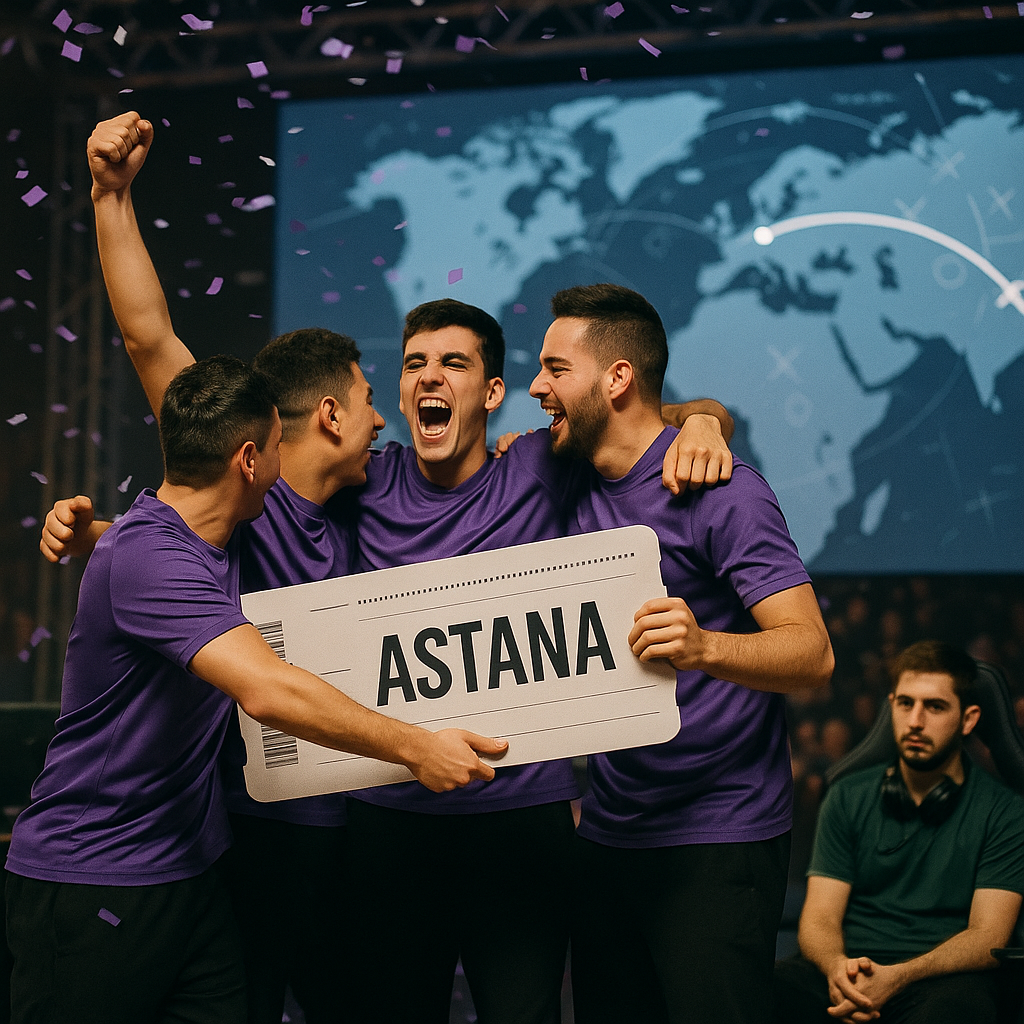
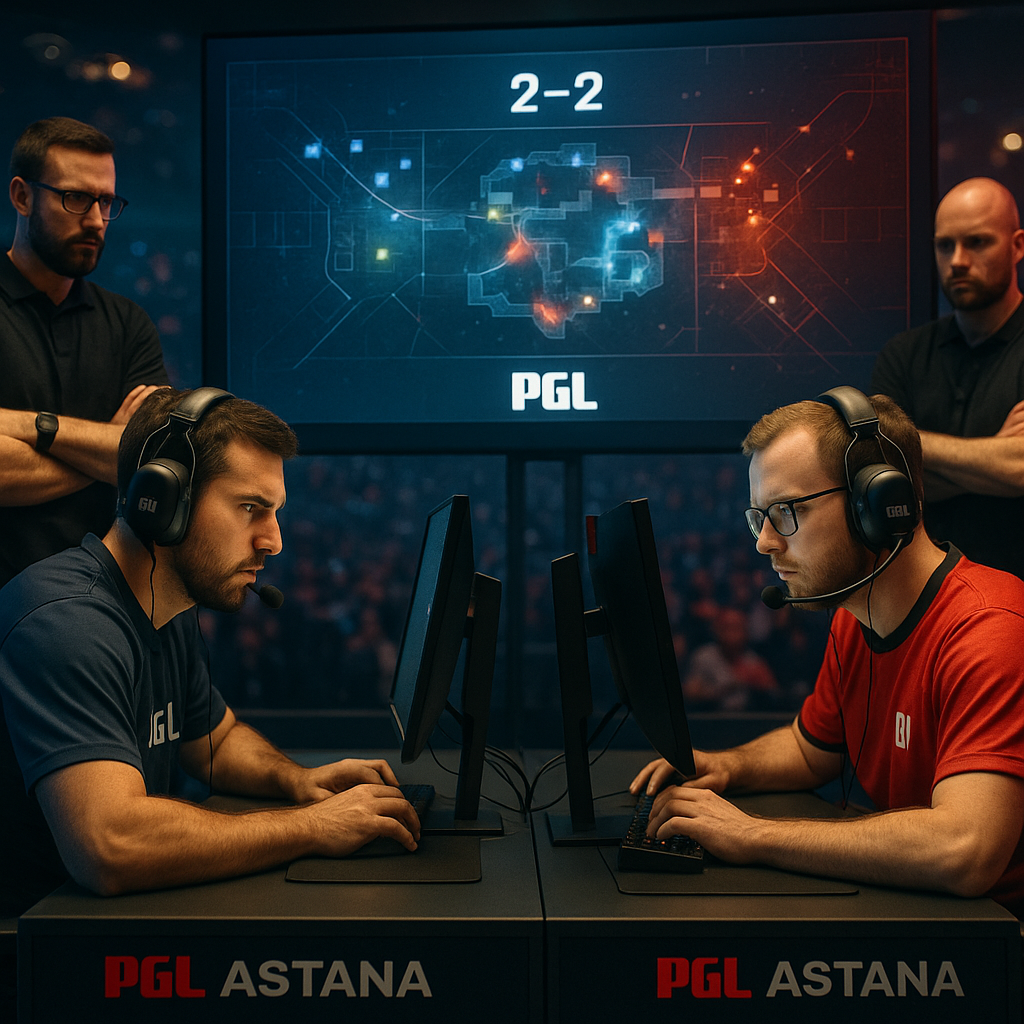
K27 herdou a vaga depois que a FUT desistiu do torneio
When a team withdraws from a competitive event and another team inherits the slot, the ripple effects are felt across organizers, competing teams and communities. This situation can be disruptive but also offers opportunities for clarity in rules and for the replacement team to step up.
This article outlines common mechanisms used to reallocate a tournament place, practical considerations for the team that inherits the slot, and how stakeholders can respond constructively.
How tournament slots are commonly reallocated
Esports organizers typically have pre-established procedures for replacing withdrawn teams. These procedures aim to preserve competitive integrity while minimizing disruption to schedules and logistics. Common approaches include inviting the next-placed team from qualifying stages, selecting a standby team, or issuing a direct invitation based on regional representation.
Selection criteria often balance fairness and practicality. Organizers may consider recent competitive results, regional quotas, the ability of the replacement to meet administrative requirements, and the timetable for preparation. Transparency about the applied criteria helps maintain credibility and reduces uncertainty for participants and fans.
Operationally, replacing a team requires coordination across multiple departments: competition management, scheduling, broadcast, and accreditation. Clear communication about the replacement process, deadlines and any adjustments to the match schedule is essential to prevent confusion.
Practical guidance for the team inheriting the slot
For the team that inherits a place, the immediate focus should be on administrative readiness. This includes confirming eligibility, completing registration requirements, and ensuring travel and accommodation arrangements can be met if applicable. Handling these details quickly helps avoid last-minute disqualifications or logistical issues.
Competitive preparation is equally important. The team should establish a condensed practice plan that prioritizes map pool readiness, role clarity, and communication routines. When time is limited, focusing on core strategies and reliable executes can be more effective than attempting to expand the tactical repertoire too rapidly.
Mental preparedness matters as well. Sudden opportunities can create pressure and heightened expectations. Teams should emphasize routines that preserve focus, avoid overthinking the situation, and maintain strong in-game leadership. Clear public communication from the team about their objectives and readiness can also help manage external expectations.
Implications for organizers, opponents and fans
Organizers must balance competitive fairness with logistical constraints. When a replacement is confirmed, ensuring that all teams receive equitable notice about schedule changes and match preparations helps maintain a level competitive field. Transparent reasoning behind the replacement choice can mitigate criticism and maintain trust.
Opposing teams may need to adapt scouting and preparation. A replacement team can present a different playstyle or roster composition, so teams should update their dossiers and, where possible, prioritize adaptable strategies. Maintaining flexible game plans is a practical response.
Fans and community members often react strongly to roster or lineup changes. Constructive engagement channels, such as official statements and Q&A sessions, can reduce misinformation and speculation. Communities benefit when organizers and teams share clear, factual updates and avoid conjecture.
Maintaining long-term integrity and lessons learned
Unexpected withdrawals highlight the importance of robust contingency planning. Tournaments that codify replacement mechanisms and maintain standby lists reduce friction when changes occur. Regularly reviewing these procedures can improve fairness and operational efficiency.
For teams and players, building organizational resilience—such as proper documentation, flexible travel arrangements and clear internal processes—reduces the likelihood that administrative hurdles prevent participation. For the broader scene, fostering open communication and respecting established rules helps maintain competitive integrity.

Conclusion
A team inheriting a slot after another team withdraws is a common scenario in competitive events. While it introduces immediate challenges, predictable procedures and measured responses can limit disruption. The replacement team can approach the opportunity with focused preparation and clear administration, organizers can reinforce transparent processes, and the community can respond with informed engagement. Taken together, these approaches help tournaments remain fair and resilient despite unexpected changes.